
Specify exposure, do not label it
Distance from the coast alone does not set a complete corrosion category. Ask the designer and supplier to state exposure assumptions and protective systems.
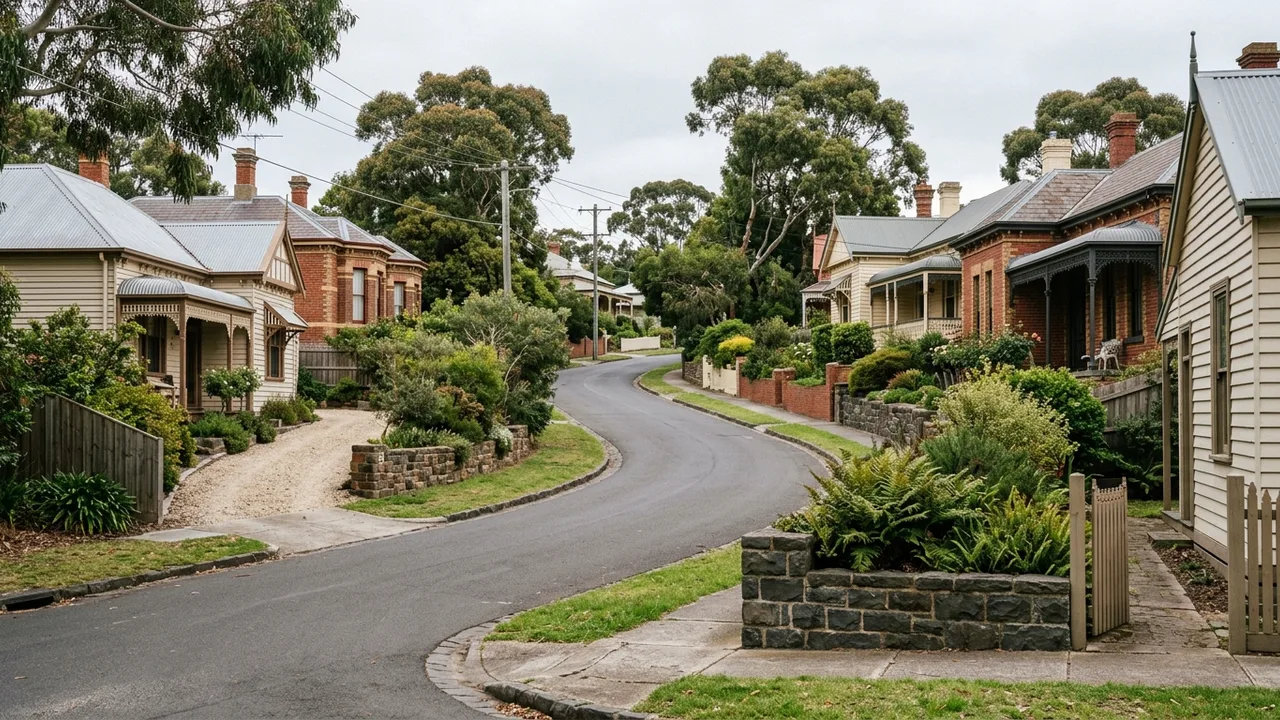
Drysdale · 3222
Drysdale combines older township blocks with expanding Bellarine estates, where coastal exposure, estate levels and longer delivery routes influence material and drainage decisions.
Start with the wall system
Drysdale combines older township blocks with expanding Bellarine estates, bringing different drainage records, access patterns and exposure conditions. Retaining systems should be selected for the measured site, expected life and finish rather than assumed from the age of the neighbourhood. Coastal influence may affect materials, but the relevant exposure and protection still require project-specific specification.
Describe the route from High Street, Murradoc Road or Portarlington Road and account for delivery distance to the actual wall. Gather estate plans where applicable, then compare them with current levels and drainage. On older blocks, note additions, mature vegetation and previous walls. In both cases, show wind-exposed fences and any corrosive environment considerations for designer review.
Settle these before the quote
Distance from the coast alone does not set a complete corrosion category. Ask the designer and supplier to state exposure assumptions and protective systems.
Timber, concrete, steel, masonry and stone carry different maintenance, access and replacement implications. Match those to the site rather than a generic longevity claim.
Newer lots may rely on swales, pits and approved level plans. Wall work should preserve or formally revise those systems.
About Drysdale
From Lake Lorne Reserve and Bellarine Railway to Drysdale Recreation Reserve, local routes help explain delivery and neighbourhood context. The wall itself still needs measured levels, loading and water observations.
Lake Lorne Reserve, the Bellarine Railway and Drysdale Recreation Reserve show the township's established character, while new neighbourhoods extend beyond it. Routes via High Street, Murradoc Road and Portarlington Road serve properties with very different final approaches. The site brief should state whether it relies on estate engineering, a new survey or field measurements and what remains to be verified. It should also address exposure, drainage endpoint and long material haul distances. That provides a better basis for comparing systems than broad claims that one material is always suitable for the Bellarine.
Field record
Request the specified protective coating and cut-edge treatment where steel or fixings are exposed.
Older lanes, trees and outbuildings may constrain delivery even when the lot itself is large.
Record drawing revision and date, then verify that constructed levels and later landscaping still match.
Why this process helps
Exposure protection is specified through evidence rather than a coastal slogan.
Older township constraints and newer estate records are handled through separate checks.
Material comparison includes maintenance, access and future replacement.
Compare the project path
Prepare the handover
Provide photographs of wall, access, upper loads and surrounding exposure, plus length and height measurements. Attach estate plans, surveys or prior engineering with revision dates. Note salt staining, corrosion or wind exposure as observations, not a technical classification. Describe the intended appearance and maintenance tolerance so the material discussion includes service life and finish as well as installation price.
Prepare a Drysdale wall brief
Bring the wall, water and access details together
Your measurements, photographs and records help the right assessment questions surface early.